
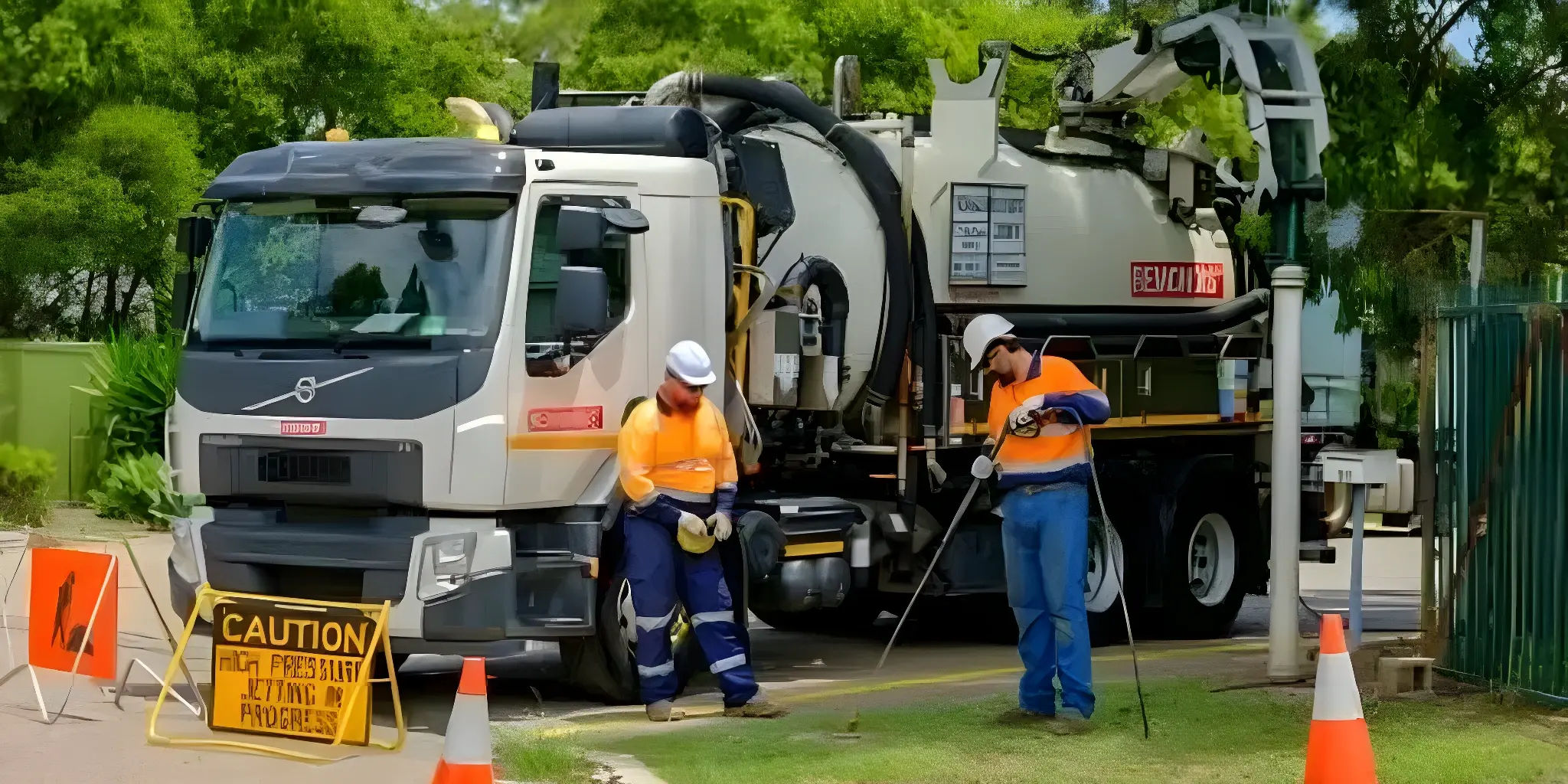
When comparing hydrovac vs traditional excavation cost, most contractors focus on one thing first: hourly rates.
On paper, traditional mechanical excavation often looks cheaper. A backhoe and operator typically cost less per hour than a specialised hydrovac truck. But after years working across Brisbane civil and utility projects, I’ve learned that hourly rate is only part of the equation.
The real question isn’t which method is cheaper per hour — it’s which method is cheaper per project.
GET A FREE QUOTE! →Upfront Cost Comparison
Hourly Rates
Traditional excavation generally has a lower hourly rate. In many markets:
- Mechanical excavation: lower base hourly cost
- Hydrovac excavation: higher hourly rate due to specialised equipment and operator expertise
Hydrovac includes high-pressure water systems, vacuum recovery, spoil containment and trained operators focused on precision. That expertise is reflected in the rate.
If you compare strictly per hour, traditional excavation often appears more economical.
Equipment and Crew Costs
Mechanical excavation may require:
- Excavator or backhoe
- Spotter
- Additional labour for hand digging near services
Hydrovac typically includes:
- Hydrovac truck
- Skilled operator
- Integrated spoil removal
In high-risk areas, mechanical methods often slow down significantly near utilities, which reduces productivity and increases labour involvement.
GET A FREE QUOTE! →Hidden Costs of Traditional Excavation
This is where the cost comparison changes.
Utility Damage
One of the most common scenarios I encounter is being called in after mechanical excavation has already caused complications — damaged utilities, unstable trenches or unexpected service conflicts.
A single utility strike can result in:
- Immediate repair costs
- Service disruption penalties
- Emergency call-outs
- Regulatory reporting
I’ve seen firsthand how one strike can delay a project for weeks and cost thousands in repairs and penalties. What initially looked cheaper becomes significantly more expensive.
GET A FREE QUOTE! →Project Delays
Delays impact:
- Labour scheduling
- Equipment hire extensions
- Contractor availability
- Client relationships
Time lost often exceeds the difference in hourly rates between hydrovac and traditional excavation.
Compliance and Penalties
In high-density urban infrastructure zones, compliance failures can lead to:
- Safety investigations
- Work stoppages
- Increased oversight
- Insurance complications
Traditional excavation near live services increases these risks.
Insurance and Liability
Mechanical damage to underground utilities increases:
- Insurance claims
- Premiums
- Liability exposure
- Reputational risk
These indirect costs are rarely included in initial comparisons.
Where Hydrovac May Cost More
To be realistic, hydrovac is not always the cheapest option.
Hydrovac may cost more when:
- Working in open areas with no underground services
- Excavating large volumes of soil quickly
- Performing bulk earthworks
If there are no live utilities or infrastructure risks, mechanical excavation can be more efficient.
The key mistake I often see is using mechanical excavation in high-density utility corridors simply because it appears cheaper upfront.
Long-Term Cost Comparison
Risk Mitigation
Hydrovac significantly reduces the likelihood of:
- Utility strikes
- Ground destabilisation
- Service conflicts
I treat hydro excavation as a risk mitigation tool. Preventing one major incident can offset the cost difference of multiple hydrovac shifts.
Productivity in High-Density Areas
In areas with complex underground networks, mechanical excavation often slows down dramatically due to caution and hand digging.
Hydrovac maintains controlled, precise exposure without constant stopping and reassessing.
In Brisbane’s dense infrastructure corridors, that precision often translates into smoother workflow and fewer disruptions.
Reduced Ground Disturbance
Hydrovac excavation minimises:
- Surface damage
- Soil displacement
- Restoration costs
Less disturbance means lower reinstatement expenses and faster site recovery.
Real-World Cost Scenarios
Scenario 1: Low-Risk Open Site
Mechanical excavation may be more cost-effective due to speed and volume efficiency.
Scenario 2: High-Density Urban Utility Zone
Hydrovac is often more cost-effective when factoring in:
- Reduced risk
- Avoided damage
- Fewer delays
- Lower compliance exposure
In my experience, projects involving underground service exposure before directional drilling or near sensitive electrical assets almost always benefit financially from controlled hydrovac excavation.
GET A FREE QUOTE! →Which Option Is More Cost-Effective?
If you measure only hourly rate, traditional excavation often appears cheaper.
If you measure:
- Total project cost
- Risk exposure
- Delay impact
- Liability
- Compliance
Hydrovac frequently delivers better long-term value — especially in infrastructure-heavy environments.
The most expensive excavation method is the one that causes damage.
Conclusion
Hydrovac vs traditional excavation cost should never be evaluated on hourly rates alone. While mechanical excavation may have a lower upfront cost, the hidden financial risks — utility strikes, delays, compliance issues and liability — can quickly outweigh those savings.
From years of working in complex underground environments, I’ve learned that controlled, safety-first hydrovac excavation often provides better total project value in high-risk zones. The right choice depends on site conditions, underground density and risk tolerance — not just the cheapest hourly rate.
GET A FREE QUOTE! →