
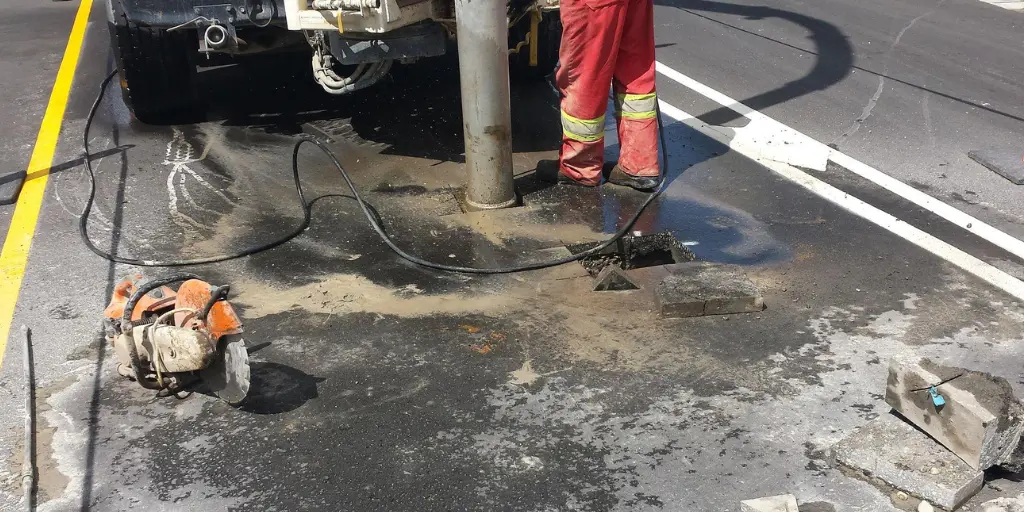
If you’re planning excavation works in Brisbane, choosing between hydro excavation and mechanical excavation is one of the most important decisions you’ll make.
Both methods remove soil. But in Brisbane’s dense underground environment, the difference between them can determine whether your project runs smoothly — or gets delayed by costly utility damage.
After years working across Brisbane civil sites, utility corridors and infrastructure upgrades, I’ve seen both methods used correctly… and incorrectly. The key isn’t which method is “better” in general — it’s which method is appropriate for the specific underground risk.
What Is the Difference Between Hydro and Mechanical Excavation?
How Hydro Excavation Works
Hydro excavation uses high-pressure water to break up soil while a powerful vacuum system removes debris into a sealed tank. It’s often referred to as non-destructive digging because it allows controlled exposure of underground utilities.
This method is designed for:
- Utility locating
- Service exposure before directional drilling
- Excavation near electrical assets
- High-density infrastructure zones
Because excavation is controlled and precise, it significantly reduces the risk of striking live services.
How Mechanical Excavation Works
Mechanical excavation uses equipment such as excavators, backhoes or trenchers to remove soil quickly and efficiently.
It is commonly used for:
- Bulk earthworks
- Large open areas
- Projects with minimal underground congestion
Mechanical excavation is generally faster for moving large volumes of soil, but precision decreases significantly near live utilities.
Safety Comparison in Brisbane’s Underground Environment
Brisbane’s underground network is complex. Gas, water, electrical and communication services often overlap in confined corridors, especially in urban and infrastructure-heavy areas.
One of the most common scenarios I encounter is being called in after mechanical excavation has already caused complications. Damaged utilities, unstable trenches or unexpected service conflicts can halt a project immediately.
I’ve seen firsthand how a single utility strike can delay works for weeks and cost thousands in repairs and penalties. In these situations, hydro excavation often becomes the solution to stabilise the site and prevent further risk.
Hydro excavation reduces:
- Risk of utility damage
- Ground destabilisation
- Service disruption
- Compliance incidents
Mechanical excavation, when used too close to live services, increases these risks significantly.
GET A FREE EXCAVATION SERVICE QUOTE! →Accuracy and Precision in High-Density Utility Areas
Precision is where hydro excavation clearly stands out.
In Brisbane’s urban infrastructure zones, relying solely on outdated DBYD plans without physical verification is a common mistake. Underground services are not always where drawings suggest.
Hydro excavation allows:
- Controlled exposure
- Minimal ground disturbance
- Clear visual confirmation of assets
- Safer trenching support
Mechanical excavation, even with experienced operators, cannot match this level of precision when working around sensitive infrastructure.
From my experience, rushing excavation is where most problems begin. Controlled digging prevents major downstream issues.
Cost and Risk Considerations
At first glance, mechanical excavation may appear more cost-effective due to lower hourly rates.
However, cost should be evaluated based on:
- Total project impact
- Risk exposure
- Potential repair costs
- Project delays
- Insurance and liability
Hydro excavation may carry a higher hourly rate, but in high-risk zones it often reduces total project cost by preventing damage.
The most expensive excavation method is the one that causes an incident.
GET A FREE EXCAVATION SERVICE QUOTE! →When Mechanical Excavation Makes Sense
Hydro excavation is not always the best option.
Mechanical excavation can be appropriate when:
- Working in open sites with no underground services
- Performing bulk earthworks
- Excavating large volumes quickly
- Infrastructure risk is minimal
Choosing the right method depends on site conditions and underground density — not just habit or hourly rate.
Common Mistakes Contractors Make in Brisbane
Across Brisbane worksites, I regularly see:
- Using mechanical excavation too close to live utilities
- Treating hydro excavation as a last resort
- Underestimating underground congestion
- Failing to establish proper safety exclusion zones
- Not conducting proper site assessment before digging
Hydro excavation should be considered a preventative strategy, not a reactive fix after damage occurs.
Planning properly before heavy machinery is introduced is what separates smooth projects from costly setbacks.
GET A FREE EXCAVATION SERVICE QUOTE! →Which Option Is Better for Your Project?
There is no universal answer.
If your project involves high-density underground infrastructure, sensitive assets or utility exposure, hydro excavation is often the safer and more predictable choice.
If your site is open, clear of services and requires bulk soil removal, mechanical excavation may be more efficient.
In Brisbane’s complex underground landscape, experience and judgement matter just as much as equipment. The right method protects your timeline, your budget and your liability.
Conclusion
Hydro excavation vs mechanical excavation in Brisbane is not a simple equipment comparison — it’s a risk management decision.
Mechanical excavation may be faster and cheaper for bulk works, but hydro excavation provides unmatched precision and safety in high-risk utility environments. From years working across Brisbane infrastructure projects, I’ve learned that choosing the correct method from the start prevents delays, reduces liability and keeps projects moving safely.
In a city with dense underground networks, controlled excavation isn’t optional — it’s essential.
GET A FREE EXCAVATION SERVICE QUOTE! →