
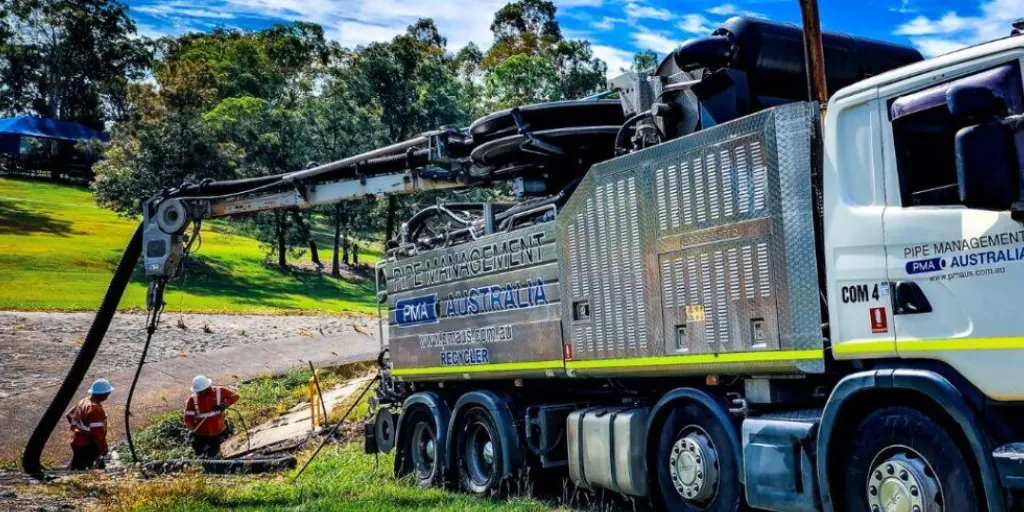
If you’re planning civil works, utility exposure or infrastructure upgrades, one of the first questions that comes up is simple: how much does hydro excavation cost in Brisbane?
The short answer is that most hydro excavation services in Brisbane range between $300 and $600+ per hour.
GET A FREE QUOTE! →However, the real cost depends on far more than just the truck rate. Ground conditions, underground congestion, compliance requirements and site access all influence pricing.
After years working across Brisbane job sites supporting civil contractors, utility providers and infrastructure projects, I’ve seen firsthand how pricing can vary dramatically depending on risk level and site complexity. Hydro excavation is not just equipment — it’s precision, planning and risk mitigation.
Average Hydro Excavation Cost in Brisbane
Typical Hourly Rates for Hydrovac Trucks
In Brisbane, standard hydro excavation hourly rates typically fall between:
- $300 – $600+ per hour
Lower-risk sites with straightforward access sit closer to the lower end. High-density infrastructure areas, confined spaces or sensitive utility exposure usually sit at the higher end.
In my experience, pricing reflects risk control. When exposing live gas, water or electrical services, precision matters more than speed. A careful operator with proper assessment reduces liability — and that value is built into the rate.
Daily Rates and Project Pricing
For larger infrastructure or staged civil projects, providers may offer:
- Half-day rates
- Full-day rates
- Fixed project pricing
Daily rates in Brisbane generally range between:
- $2,200 – $4,000+ per day
Complex works near high-density underground networks may exceed this range due to compliance measures and slower excavation speeds.
Minimum Call-Out Fees
Most hydro excavation companies in Brisbane apply a minimum engagement period, typically 3 to 4 hours. This covers mobilisation, setup, safety checks and demobilisation.
GET A FREE QUOTE! →What Factors Affect Hydro Excavation Pricing?
Hydro excavation costs vary because no two Brisbane job sites are the same. Below are the main variables that influence final pricing.
Ground Conditions and Soil Type
Soil type directly impacts productivity:
- Sandy soils excavate quickly
- Compacted clay slows production
- Backfilled corridors create unpredictable conditions
I often see contractors underestimate ground conditions in urban infrastructure zones. What looks straightforward on paper can become technically complex once excavation begins.
Underground Utility Density in Brisbane
Brisbane’s underground network is dense and layered. It’s common to encounter:
- Gas mains
- Water lines
- Electrical conduits
- NBN infrastructure
- Stormwater systems
One of the most common scenarios I encounter is being called in after mechanical excavation has already caused complications. A single utility strike can delay a project for weeks and cost thousands in repairs and penalties. In these situations, hydro excavation becomes the controlled solution that prevents further damage.
Higher utility density means slower, more precise excavation — which influences hourly cost but significantly reduces overall project risk.
Site Access and Restrictions
Pricing increases when:
- Access is tight
- Traffic control is required
- Work is performed near live roads
- Excavation occurs in confined spaces
Restricted access affects setup time, hose length requirements and productivity.
Emergency vs Scheduled Works
Emergency hydro excavation for gas or water line access typically costs more due to:
- Immediate mobilisation
- After-hours work
- Elevated risk
Scheduled works are always more cost-efficient and easier to plan accurately.
Compliance and Safety Requirements
In high-risk areas, additional measures may include:
- Safety exclusion zones
- Spotters and supervision
- Utility verification procedures
- Documentation and compliance reporting
My approach has always been safety-first excavation. Proper site assessment, controlled exposure and strict compliance standards are not optional — they are part of delivering reliable results. Those processes directly influence cost, but they also prevent major incidents.
Hydro Excavation vs Mechanical Excavation: Cost Comparison
Upfront Cost Differences
Mechanical excavation usually has a lower hourly rate.
Hydro excavation often appears more expensive because it involves:
- Specialised hydrovac equipment
- Skilled operators
- Slower, controlled excavation
However, hourly rate alone is not the full cost picture.
The Real Cost of Utility Strikes
The hidden costs of mechanical excavation near live services include:
- Emergency repairs
- Compliance investigations
- Project delays
- Insurance claims
- Reputational damage
I’ve seen projects stall for weeks after utilities were damaged by mechanical digging too close to live assets. What seemed cheaper at the start became significantly more expensive in total.
Hydro excavation should be viewed as a preventative strategy rather than a reactive solution.
GET A FREE QUOTE! →Long-Term Project Savings
Clients consistently report:
- Fewer delays
- Lower repair costs
- Improved compliance
- Safer worksites
- More predictable timelines
When used strategically, hydro excavation often reduces total project costs despite a higher upfront hourly rate.
Common Pricing Mistakes Contractors Make
Across Brisbane worksites, I regularly see the same avoidable errors:
- Relying solely on outdated DBYD plans without physical verification
- Treating hydro excavation as a last resort
- Using mechanical excavation too close to live utilities
- Underestimating underground congestion
- Failing to account for compliance requirements
Planning controlled excavation from the beginning almost always prevents expensive downstream issues.
Is Hydro Excavation Worth the Cost?
If your project involves utility locating, service exposure before directional drilling, excavation near sensitive electrical assets or high-density infrastructure corridors, hydro excavation is often the safer and more cost-effective option long term.
From my experience across Brisbane, the true value is not just cleaner digging — it’s reduced liability, safer sites and predictable outcomes.
Hydro excavation protects infrastructure, timelines and people.
How to Get an Accurate Hydro Excavation Quote in Brisbane
To receive an accurate quote, provide:
- Exact site location
- Scope of work
- Known utilities
- Soil or ground conditions
- Access limitations
- Project timeframe
The more detail supplied upfront, the more accurate and transparent the pricing will be.
Every Brisbane site has unique underground risks. Experience, judgement and proper planning influence cost just as much as equipment.
Conclusion
Hydro excavation services in Brisbane typically cost between $300 and $600+ per hour, with daily rates ranging from $2,200 to $4,000+ depending on complexity and risk.
But the real cost comparison is not hydro versus mechanical per hour — it is controlled excavation versus risk exposure.
In a city with dense underground infrastructure like Brisbane, precision is not optional. It is essential.
GET A FREE QUOTE! →FAQs
What is the average hydrovac hourly rate in Brisbane?
Most services range between $300 and $600+ per hour depending on equipment and site complexity.
Is hydro excavation more expensive than mechanical digging?
Yes upfront, but it often reduces total project cost by preventing utility damage and delays.
Does emergency hydro excavation cost more?
Yes. After-hours mobilisation and urgent response increase pricing.
Can hydro excavation prevent utility damage?
It significantly reduces the risk of damaging underground services compared to mechanical excavation.